
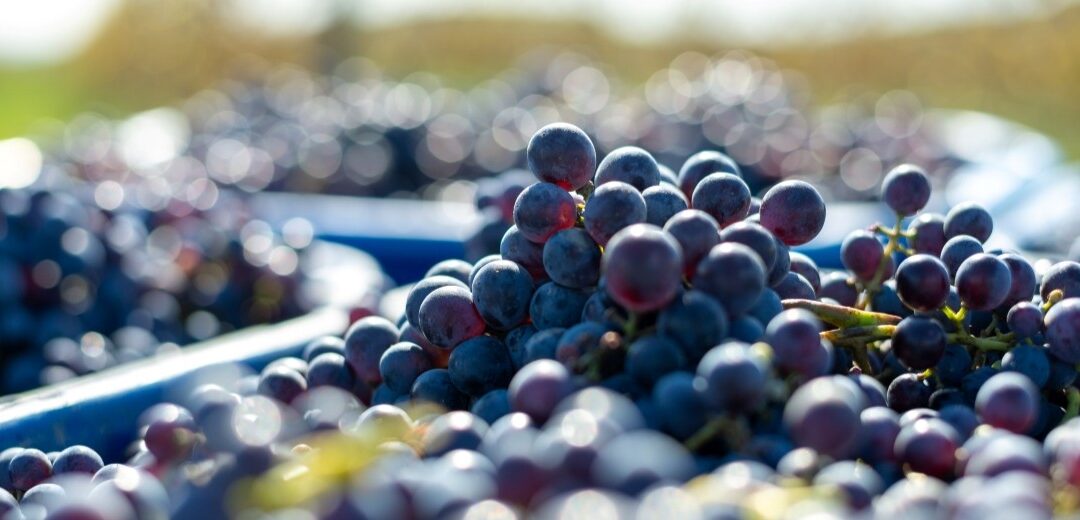
Ontario blue grapes are now available, with green and red champagne grapes arriving this week—and buyers have a limited window to work with all three.
Ontario’s grape season is underway, with blue grapes beginning to arrive at the Ontario Food Terminal last Friday and green and red champagne grapes expected to follow this week. For wholesale produce buyers, the timing matters. Ontario grapes have a relatively short season, and some varieties are available for only a few weeks. That makes the local crop less of a year-round commodity and more of a seasonal buying opportunity.
The crop is still in its early stages, but conditions are pointing toward a decent season. Recent flooding in the Niagara region has affected some crops, however, so supply and quality will become clearer as the harvest progresses.
Ontario grapes offer something different
Ontario grapes aren’t simply a local version of the seedless grapes available from other growing regions throughout the year. They’re different types of grapes with their own characteristics.
Many Ontario varieties have seeds and slip skins—the skin separates more readily from the flesh when you bite into the grape. They also offer a distinct texture and a burst of juicy flavour. For buyers accustomed to sourcing imported grapes, the difference is worth noting. Ontario’s local varieties have their own seasonal appeal, and their limited availability is part of that appeal.
The harvest-to-market turnaround is short
Grapes are harvested and shipped quickly through the local supply chain.
A typical Ontario grape can be picked one day, shipped to market and purchased the following day, then shipped to wholesale customers that same morning. That short turnaround is particularly useful for a delicate, fresh product. It means buyers can receive grapes shortly after harvest rather than relying on fruit that spends considerably longer in transit.
What wholesale buyers should look for
For buyers receiving Ontario grapes, a few simple checks can help identify fresh, marketable fruit. Look for:
- Green, healthy stems
- Undamaged fruit
- No fruit flies
The condition of the stems is particularly useful as a freshness indicator. Fruit that’s been sitting around too long will generally show its age through the stems before the grapes themselves necessarily look significantly different.
Three varieties, three short windows
One of the interesting aspects of Ontario grape season is how quickly the varieties move through the market.
In roughly 10 days, all three colours should be available. From there, their seasons overlap but don’t last equally long.
Green grapes may be available for only three to four weeks, while red champagne grapes typically last somewhat longer. Blue grapes have the longest availability of the three. That difference is partly a reflection of demand: blue grapes are particularly popular, so more of them are grown.
For wholesale buyers, it means there’s value in paying attention to what’s available now rather than assuming every Ontario variety will remain available throughout the season.
Peak supply is just around the corner
The current crop is still building, but availability should become more comprehensive over the next 10 days or so as the different varieties come into production.
The season started somewhat later than usual, like many other Ontario crops this year, but the grape crop is now developing well. Weather will continue to be an important factor as the harvest progresses, particularly given the impact recent flooding has already had on some Niagara-area crops.
A short season means planning matters
Imported grapes remain popular throughout the year, but local grape season creates a different kind of demand.
Customers who know Ontario grapes are looking forward to them, particularly because the varieties they’re buying locally simply aren’t available for very long. That creates an opportunity for wholesale produce buyers to adjust their purchasing and merchandising while the crop is available.
For retailers, that might mean giving local grapes prominent placement while supply is strong. For restaurants and food service operators, the season provides another ingredient that can reinforce a local and seasonal offering.
Don’t overlook freezing
Most Ontario grapes are consumed fresh, and that’s where their flavour and texture are best appreciated.
But they can also be frozen. Frozen grapes make an easy snack or treat, and freezing can give buyers and consumers another way to make use of the crop while it’s available. For commercial kitchens working with seasonal ingredients, freezing can also extend the useful life of a short-lived local crop.
Make the most of the eight-week window
The entire Ontario grape season lasts only about eight weeks, and the window for individual varieties is even shorter.
That’s particularly true for green and red champagne grapes, which can disappear from the market within a matter of weeks. For wholesale buyers, the takeaway is straightforward: don’t assume they’ll still be available next month.
Ontario grape season is one of those relatively brief periods when a local product offers wholesale buyers something genuinely different from the imported alternatives available the rest of the year. With blue grapes already arriving and green and red champagne grapes coming on this week, the time to start planning is now.