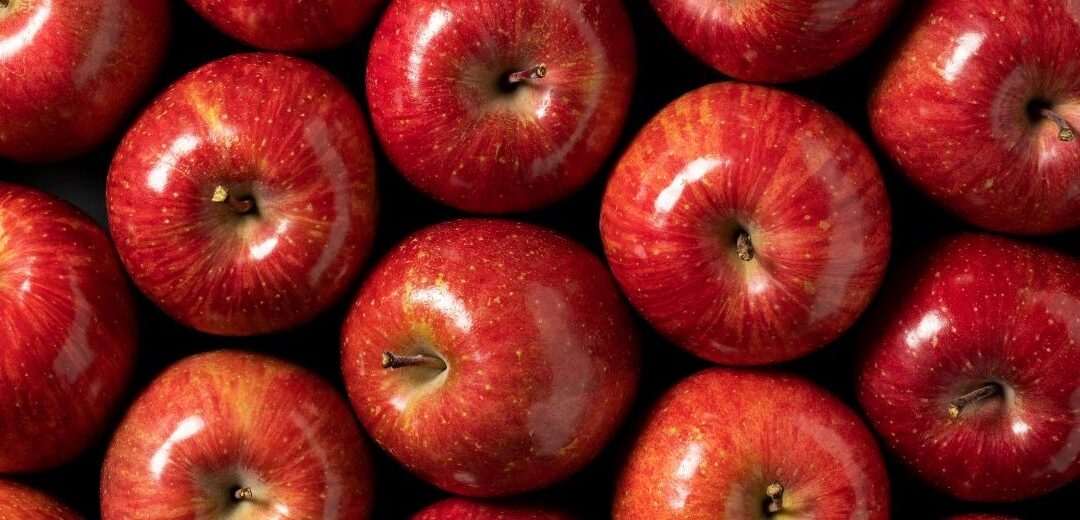
Most Ontario apple varieties are available, with late-season favourites arriving now
Ontario apple season is in full swing, with most varieties now available and plenty of choice for wholesale produce buyers across Toronto and the Greater Toronto Area (GTA). The crop is looking good, with typical fruit size and volume, and cool nights helping apples mature for picking.
For grocery produce managers, retailers, restaurants, caterers and food-service operators, this is a good time to explore the available varieties, plan inventory and choose apples suited to different uses. There is plenty of supply, and regular customers generally don’t need to preorder.
Which Ontario apple varieties are available now?
Most Ontario apple varieties are available, although the early-season varieties have finished. Jersey Macs, Paula Reds and Yellow Transparents are no longer available.
Northern Spy, Mutsu and Golden Russet have just started coming in. These are typically among the last varieties to become available, making them worth noting for buyers looking to round out their fall selection. Other familiar varieties available include:
- McIntosh
- Cortland
- Empire
- Idared
- Ambrosia
- Gala
- Fuji
- Delicious
- Honeycrisp
Golden Russet and Russet refer to the same apple variety, so buyers may encounter either name when sourcing apples.
Choosing the right apple for the job
Different apple varieties have different characteristics, and choosing the right one can make a difference in the kitchen or on the retail shelf.
Best apples for baking and cooking
All apple varieties can be used for baking and cooking, but some hold their shape better than others.
Northern Spy, Cortland and Ida Red: These varieties tend to stay firmer during cooking, making them good choices for pies, crisps and other baked desserts where you want the apple pieces to retain some structure.
McIntosh and Delicious: These tend to soften more during cooking, making them useful when a softer texture is preferred.
For restaurants, bakeries and caterers, the best choice depends on the finished dish. Buyers preparing pies or crisps may prefer firmer apples, while softer varieties can work well in sauces and other preparations where the fruit is expected to break down.
Popular apples for eating fresh
Honeycrisp and Empire are among the most popular varieties with food-service customers. Both are well suited to eating fresh, keep well and can also be used for baking. For grocery stores and fruit markets, Granny Smith, Honeycrisp and Royal Gala are popular options.
One detail worth knowing about Granny Smith apples: Ontario-grown fruit can have some red colouring, unlike the consistently full-green appearance many shoppers associate with the variety. Buyers looking for that uniform green colour may prefer imported Granny Smith apples.
Newer varieties worth exploring
Apple varieties continue to evolve, giving buyers opportunities to offer something beyond the familiar standbys. Newer varieties to look out for include Kissabel, Sunflare and Kudos.
For retailers, these can provide alternatives for customers interested in trying different apples. For food-service operators, experimenting with different varieties can also help identify options suited to particular recipes or menu applications.
Which apples keep the longest?
Apples generally store well, but some varieties are particularly good choices for buyers planning to hold inventory over a longer period.
Northern Spy, Idared, Empire and Mutsu are among the varieties known for keeping well. McIntosh, by contrast, tends to soften more quickly and is generally the next major variety to finish after the early apples.
For wholesale buyers, this matters when planning stock rotation and deciding which varieties to order for immediate sale versus longer-term use.
How to select and store apples
When receiving apples, check for obvious blemishes, bruising and soft spots. These are the main signs to watch for when assessing fruit quality.
Proper storage can help preserve quality and reduce waste. Apples keep best in a cold, dark place, such as a cold cellar or refrigerator. Depending on the variety and storage conditions, they can last a month or two, or longer.
For grocery produce managers, restaurant kitchens and other businesses holding apples in inventory, maintaining cool storage conditions and rotating stock appropriately can help extend usable life.
Buying Ontario apples for wholesale
Ontario apples are available in a range of formats to suit different operations. We source and supply apples by the case or bushel, with some varieties sold loose and others available in 3-pound bags.
There are no set minimum orders for regular customers, and with plenty of supply currently available, advance preordering generally isn’t necessary.
That flexibility can help GTA buyers manage orders according to their needs, whether they’re stocking retail displays, supplying a restaurant kitchen or purchasing apples for processing.
Choosing apples for cider
Cider makers often get the best results by blending different apple varieties rather than relying on just one. A combination of sweet and tart apples can create a more balanced flavour, although the ideal blend ultimately comes down to personal preference.
A blend of Honeycrisp, Empire, Galaxy and Mutsu makes a good starting point for cider. Buyers supplying cider makers should keep in mind that each producer may have a preferred flavour profile and blend.
We also supplies apples for cider production. If you’re sourcing apples for pressing, discussing the desired blend with your customer is a useful way to determine which varieties will work best.
A strong season for Ontario apples
Ontario’s apple crop is looking good, with normal fruit size and volume and most varieties available. Late-season varieties such as Northern Spy, Mutsu and Golden Russet are now arriving, while popular choices including Honeycrisp, Empire and Gala offer plenty of options for retail and food-service customers.
For wholesale produce buyers across Toronto and the GTA, the current season offers flexibility in variety selection, pack formats and ordering. Whether you’re sourcing apples for fresh sales, cooking, baking or cider production, understanding the differences between varieties can help you choose the right fruit for your customers and your operation.