
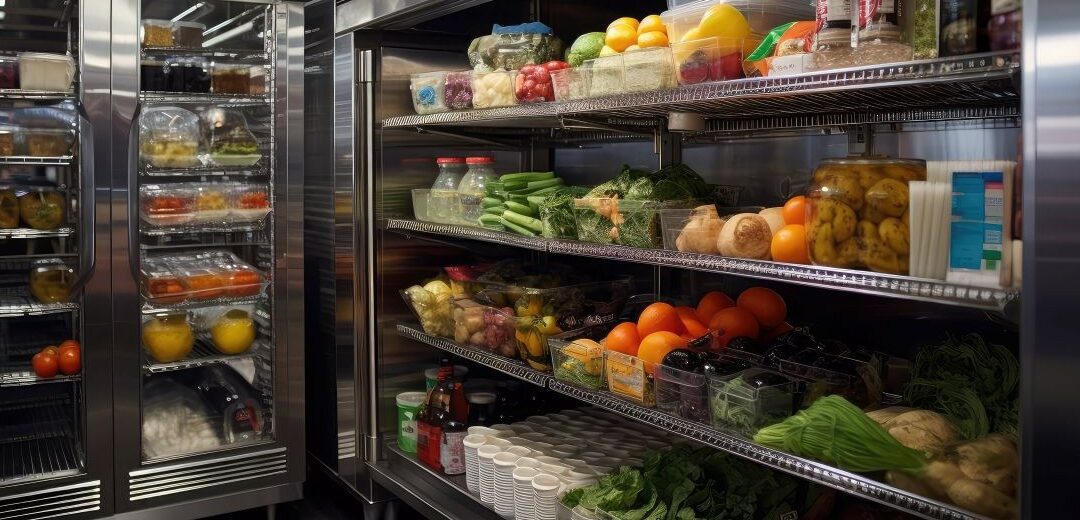
Better inventory management, proper storage and a little planning can help keep fresh produce usable for longer and reduce unnecessary costs.
Fresh produce is essential to restaurants, grocery stores and food-service operations, but managing it comes with a challenge: fruits and vegetables have a limited shelf life. Order too much, store it incorrectly or overlook older inventory, and perfectly good produce can end up in the compost or garbage.
Reducing produce waste doesn’t mean ordering less across the board or compromising on freshness. It means making better use of what you have, planning orders around actual needs and handling every delivery properly.
Here are some practical ways to reduce produce waste and get more value from your wholesale produce orders.
1. Take inventory before your next delivery
One of the easiest ways to prevent overordering is to know what’s already in stock.
Before placing an order or receiving a delivery, take a quick inventory of your coolers, fridges and storage areas. Check quantities, condition and expected shelf life. Look for items that haven’t been moving as quickly as expected, as well as produce that’s approaching the end of its usable life.
Use that information to adjust your next order. If you still have plenty of tomatoes, lettuce or peppers on hand, you may not need another full case just yet.
It’s also worth looking ahead. Consider upcoming menus, promotions, reservations, catering orders and seasonal changes that could affect demand. A little planning can help you avoid having too much—or too little—of an important item.
2. Make room for incoming produce
Inventory planning should include more than counting what’s left. Before a wholesale delivery arrives, make sure you have enough suitable storage space for it.
Organize existing stock so older produce is moved to the front and newer deliveries can be placed behind it. This makes it easier for staff to use older inventory first rather than continually reaching for the newest items.
Clear away empty boxes, remove spoiled produce and reorganize shelves where necessary. If your cooler or fridge is already overcrowded, incoming produce may get squeezed into unsuitable spaces or left waiting while staff make room.
Good organization makes receiving faster, reduces unnecessary handling and helps ensure that fresh deliveries are stored promptly.
3. Inspect produce when it arrives
A receiving inspection is an important part of produce inventory management. Don’t simply put everything away and assume it’s in good condition. Check deliveries for:
- Freshness: Look for the expected colour, firmness and overall appearance.
- Damage: Check for bruising, cuts, crushed packaging or other signs of rough handling.
- Spoilage: Watch for mould, soft or leaking produce, and unusual odours.
- Temperature: Make sure temperature-sensitive items arrive appropriately chilled.
- Quantity: Confirm that the delivery matches what was ordered.
Identifying a problem at receiving gives you a chance to address it promptly, rather than discovering it several days later when the produce is already in storage.
If something doesn’t look right, contact your supplier as soon as possible. Clear communication makes it easier to investigate and resolve delivery concerns.
4. Store produce at the right temperature
Not all produce should be stored in the same conditions. Some fruits and vegetables need refrigeration to maintain quality and slow deterioration. Others can lose flavour, develop discolouration or suffer chilling damage when stored too cold.
As a general rule, keep refrigerated produce in an appropriately temperature-controlled cooler or fridge. For food-safety purposes, refrigerated potentially hazardous foods should generally be held at 4°C or colder. However, the ideal storage temperature for whole, fresh produce varies by item.vSome examples:
- Leafy greens, broccoli, cauliflower and carrots: Generally benefit from cold storage.
- Apples and berries: Keep refrigerated to help maintain freshness.
- Tomatoes, cucumbers and peppers: Can be sensitive to very cold temperatures. Follow product-specific storage guidance rather than automatically placing everything in the coldest area.
- Bananas and other tropical fruits: Usually need storage above typical refrigerator temperatures to avoid chilling damage.
- Onions, garlic and potatoes: Generally need a cool, dry, well-ventilated storage area rather than a damp refrigerator.
A walk-in cooler or cold room can be useful for larger quantities, while smaller fridges may be better suited to items needed close to preparation areas. The important thing is to monitor actual temperatures and make sure the storage conditions suit the produce being held.
Don’t assume every item belongs in the cooler. When in doubt, check recommended storage conditions for the specific fruit or vegetable, or ask your produce supplier for guidance.
5. Allow for proper air circulation
Keeping produce cold is only part of the equation. Air needs room to circulate around it, too.
Overcrowded coolers and fridges can restrict airflow, create inconsistent temperatures and make it harder for refrigeration equipment to maintain the right conditions. Avoid packing shelves too tightly or stacking boxes in a way that blocks vents. Where possible:
- Leave space between boxes and containers.
- Avoid blocking air vents or fans.
- Keep produce off the floor.
- Use appropriate shelving and storage containers.
- Don’t overload coolers beyond their intended capacity.
Good airflow helps maintain more consistent storage conditions and makes it easier to see and access what’s in stock.
6. Rotate stock and monitor freshness
Even when produce arrives in excellent condition and is stored properly, it won’t last indefinitely. Regular stock rotation helps ensure older inventory gets used before newer deliveries.
The first-in, first-out (FIFO) approach is a good starting point: use older stock before newer stock. However, date and condition matter, too. If a newer delivery has a shorter expected shelf life than an older one, prioritize the item that needs to be used first.
Make freshness checks part of the daily routine. Staff should know what to look for, including:
- Wilting or loss of firmness
- Soft spots, bruising or discolouration
- Mould or signs of decay
- Excess moisture or leaking
- Changes in smell or texture
Not every sign of aging means produce needs to be discarded. Some items may still be perfectly suitable for cooking, juicing, sauces or other preparations, even if they’re no longer ideal for fresh display or garnishing.
The key is knowing the difference between produce that’s simply past its visual prime and produce that’s spoiled or unsafe to use. When in doubt, follow food-safety procedures and discard anything questionable.
7. Adjust order quantities to match demand
Ordering habits have a direct effect on how much produce gets wasted.
Buying in bulk can make sense when an item moves quickly or has a suitable shelf life. But a lower price per case isn’t necessarily a saving if part of that case ends up being discarded.
Consider how quickly each item moves, how much storage space it requires and how long it will remain usable. Review ordering patterns regularly and adjust quantities when demand changes.
For restaurants, that might mean accounting for menu popularity, reservations, catering orders and seasonal fluctuations. For grocery stores, sales history, promotions, weather and customer buying habits can all affect demand.
It’s also worth communicating with your wholesale produce supplier. At DiLiso’s Fresh 2U Produce, we do our best to understand our clients’ regular purchasing patterns and anticipate their upcoming needs. But business needs can change quickly. If an important item is running low, or you know you’ll need something for an upcoming menu or promotion, let us know. A quick conversation can help us plan around your requirements and avoid last-minute surprises.
8. Put surplus produce to good use
Sometimes, despite careful ordering and inventory management, you end up with more of something than you can use at its usual rate.
Before it goes to waste, consider whether you can build a promotion or menu feature around what’s already in stock.
For restaurants, that could mean a soup, special, side dish or daily feature that uses produce while it’s still fresh and suitable for preparation. A surplus of ripe tomatoes might become a pasta sauce or soup. Extra peppers could be used in a special, roasted vegetable dish or prepared ingredient for the kitchen.
Grocery stores can consider a timely promotion, discounted display or cross-merchandising opportunity for produce that’s still in good condition but needs to move more quickly.
These ideas work best when they’re planned around the actual condition and remaining shelf life of the produce. Don’t wait until an item is past its prime to decide what to do with it.
9. Make waste reduction a team effort
Good produce management depends on consistent habits across the business. Receiving staff, kitchen teams, produce department employees and purchasing managers all have a role to play.
Make sure everyone understands how stock should be checked, stored and rotated. Establish simple routines for daily freshness checks and regular inventory reviews. Encourage staff to flag items that aren’t moving, storage problems or changes in demand.
It can also help to keep track of what gets discarded and why. If the same items are regularly going to waste, look for a pattern. Are order quantities too high? Is storage space inadequate? Is an item being overlooked? Are menu or sales forecasts consistently off?
A little record-keeping can reveal where changes will have the biggest impact.
Reduce produce waste with better planning
Reducing produce waste isn’t about one big change. It’s the result of small, consistent improvements—from checking inventory before a delivery to maintaining proper storage conditions and adjusting orders as demand changes.
Good communication with your wholesale produce supplier is part of that process, too. When your supplier understands your regular needs and knows when those needs change, it’s easier to plan orders, manage availability and keep your operation running smoothly.
At DiLiso’s Fresh 2U Produce, we supply fresh wholesale produce to restaurants, grocery stores and food-service businesses across Toronto and the GTA. We’re here to help our customers plan their produce orders and keep their businesses supplied.